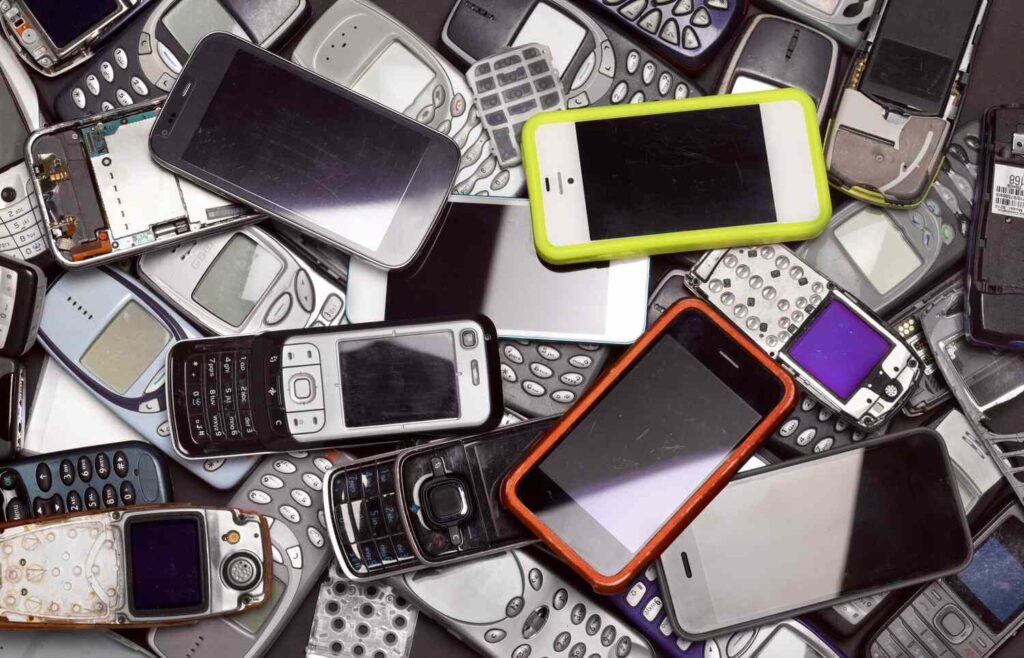
In today’s digital-driven society, mobile phones have become essential tools for communication, entertainment, education, and work. With rapid advancements in technology, people are replacing their phones more frequently than ever before. While upgrading to the latest model may seem exciting, this trend leads to an increasing number of discarded devices 二手手機回收. This is where used mobile phone recycling becomes crucial, not only for managing electronic waste but also for protecting the environment, conserving resources, and supporting a sustainable future.
Understanding the concept of Used Mobile phone Recycling
Used mobile phone recycling refers to the process of collecting, dismantling, reusing, and safely disposing of old or unwanted phones. This process involves separating valuable materials such as gold, silver, copper, and rare earth metals from harmful components like lead, mercury, and cadmium. Recycling ensures that these materials are either reused in manufacturing new products or safely processed to avoid environmental hazards.
With billions of mobile phones in circulation globally, the importance of recycling cannot be overstated. Every year, millions of used phones end up in drawers, trash bins, or landfills, where they contribute to growing e-waste problems. Recycling prevents this by giving mobile phones a second life, either through refurbishment for resale or by extracting useful raw materials.
Why Used Mobile phone Recycling Matters
One of the main reasons used mobile phone recycling is essential is its environmental impact. Mobile phones contain both precious and toxic substances. Without proper recycling, these substances seep into soil and water systems, causing pollution and health risks for communities. By recycling, hazardous materials are managed safely, and valuable resources are conserved.
Additionally, recycling helps reduce the need for mining raw materials. The mining industry is associated with deforestation, water contamination, and greenhouse gas emissions. By recovering metals from old devices, manufacturers can minimize their reliance on mining, lowering the overall ecological footprint of producing new phones.
From an economic perspective, recycling creates opportunities for businesses and communities. Refurbished phones can be sold at affordable prices, making technology accessible to more people. Furthermore, recycling industries generate jobs in collection, refurbishment, and processing sectors, contributing to economic growth.
The process of Used Mobile phone Recycling
The recycling process usually begins with collection programs where consumers donate or sell their old devices. Collection points may include retail stores, recycling centers, or online trade-in platforms. Once collected, the phones undergo several stages:
- Sorting and Inspection: Devices are checked to determine whether they can be refurbished or need dismantling.
- Refurbishment and Resale: Phones in good condition may be repaired, updated, and resold as pre-owned devices.
- Material Recovery: Phones beyond repair are dismantled to extract metals, plastics, and glass components. These materials are sent to specialized facilities for reuse in manufacturing.
- Safe Disposal: Hazardous parts that cannot be recycled are disposed of in environmentally friendly ways to prevent contamination.
Through this process, used mobile phone recycling reduces waste and promotes resource efficiency.
Consumer Role in Mobile phone Recycling
Consumers play a vital role in ensuring the success of recycling programs. Too often, people store unused phones in drawers instead of recycling them. While it may seem harmless, this behavior contributes to resource waste. By choosing to recycle, consumers help reduce e-waste and support sustainability.
Many companies and governments encourage recycling by offering trade-in programs, discounts, or free drop-off points. Consumers can take advantage of these initiatives to ensure their devices are properly handled. Additionally, individuals should delete personal data and remove SIM cards before recycling to protect their privacy.
Corporate and Government Initiatives
The responsibility of managing electronic waste does not fall solely on consumers. Corporations and governments are increasingly implementing policies and programs to promote used mobile phone recycling. Many smartphone manufacturers now run buy-back or recycling schemes, allowing customers to return old devices when purchasing new ones. These programs not only reduce waste but also encourage brand loyalty.
Governments worldwide are introducing regulations to ensure proper e-waste management. Some countries enforce extended producer responsibility (EPR), which holds manufacturers accountable for the end-of-life management of their products. By doing so, companies are motivated to design devices that are easier to recycle and repair.
The Social Impact of Recycling Used Mobile phones
Beyond environmental and economic benefits, recycling used phones has significant social implications. Refurbished phones provide affordable communication tools for low-income communities and developing countries. Access to mobile technology helps improve education, healthcare, and financial services, narrowing the digital divide.
Moreover, recycling programs often partner with charities and nonprofit organizations, donating refurbished phones to people in need. In emergency situations, donated devices can serve as lifelines for communication and coordination.
Challenges in Used Mobile phone Recycling
Despite its importance, used mobile phone recycling faces several challenges. One of the biggest obstacles is consumer awareness. Many people are unaware of recycling options or do not understand the environmental impact of improper disposal. Education campaigns are necessary to encourage responsible behavior.
Another challenge is the complex design of modern smartphones. With smaller components and stronger adhesives, dismantling phones for recycling has become more difficult and costly. Manufacturers must work toward creating eco-friendly designs that simplify recycling.
Additionally, the informal recycling sector in some regions poses health and safety risks. Informal recyclers often use unsafe methods such as burning wires to extract metals, releasing toxic fumes into the air. Formalizing recycling practices with proper facilities and training is essential to protect workers and the environment.
The future of Used Mobile phone Recycling
As technology continues to advance, the demand for sustainable solutions will grow. Innovations in recycling techniques, such as automated disassembly robots, are already improving efficiency. Circular economy principles, where products are designed for reuse and recycling from the start, will shape the future of the mobile phone industry.
Consumers, corporations, and governments must work together to create a world where no used phone is wasted. By integrating recycling into everyday practices, society can move closer to achieving sustainability goals.
Conclusion
Used mobile phone recycling is far more than just a waste management practice. It represents an opportunity to protect the environment, conserve valuable resources, create economic opportunities, and bridge the digital divide. As individuals, the simple act of recycling an old phone contributes to a much larger global effort toward sustainability. With growing awareness, stronger policies, and innovative solutions, the future of mobile phone recycling looks promising. Every recycled device is a step toward a cleaner planet and a responsible technological society.